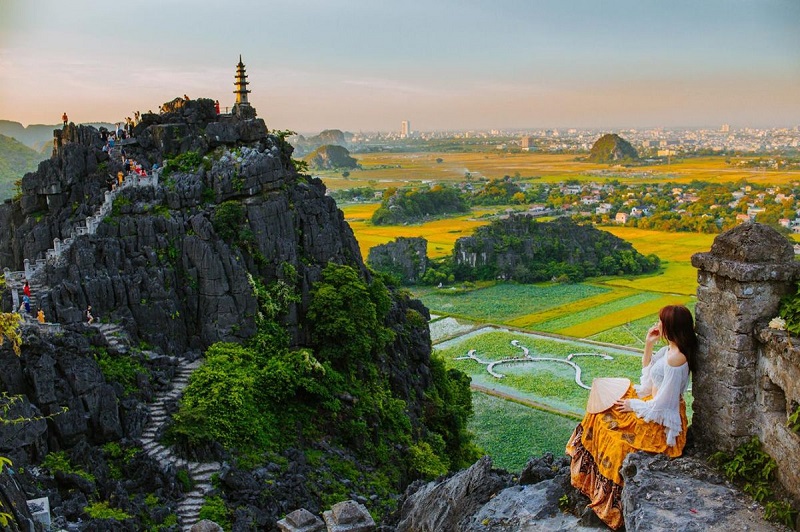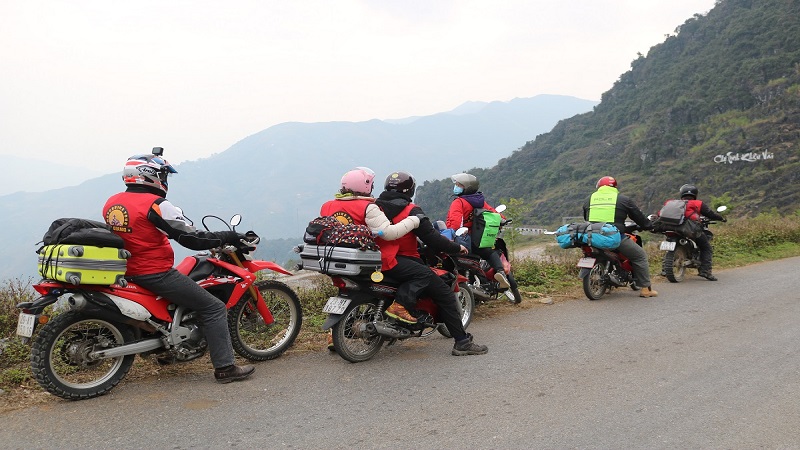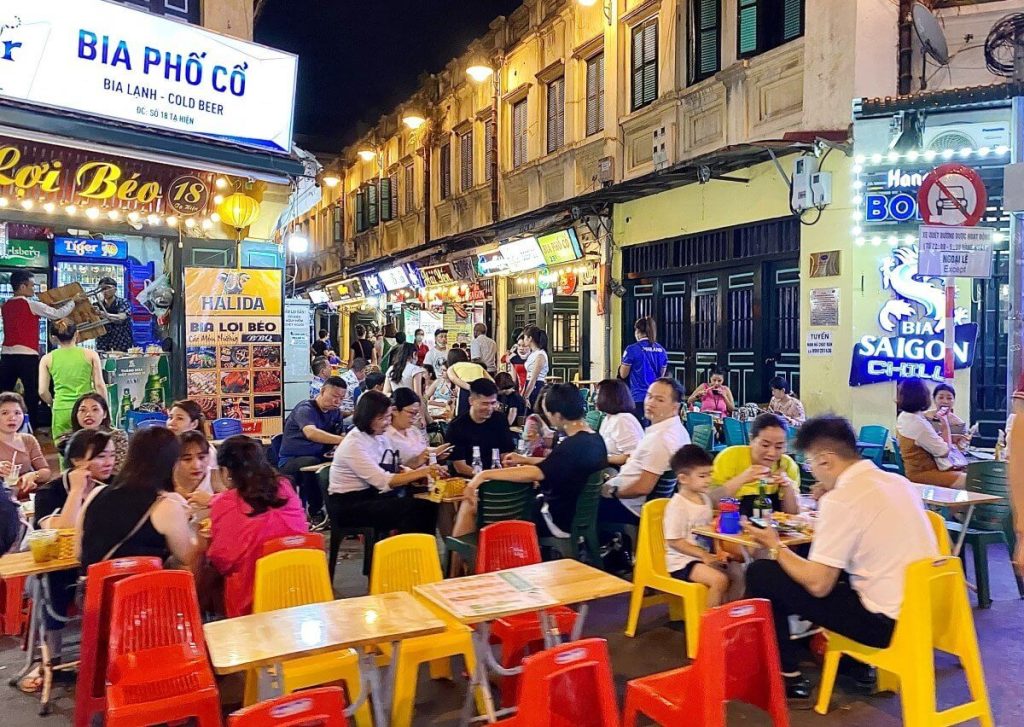
Ha Giang is Vietnam’s northernmost region, known for the limestone mountains of the Dong Van Karst Plateau UNESCO Global Geopark, Ma Pi Leng Pass, the rice terraces of Hoang Su Phi and its Hmong, Tay and Dao villages. It is about 300 km from Hanoi (6–8 hours by bus or car). The best time to visit is October to December for cool, dry weather, and most visitors explore it on the 3–4 day Ha Giang Loop.
Ha Giang at a glance
Top places to visit in Ha Giang
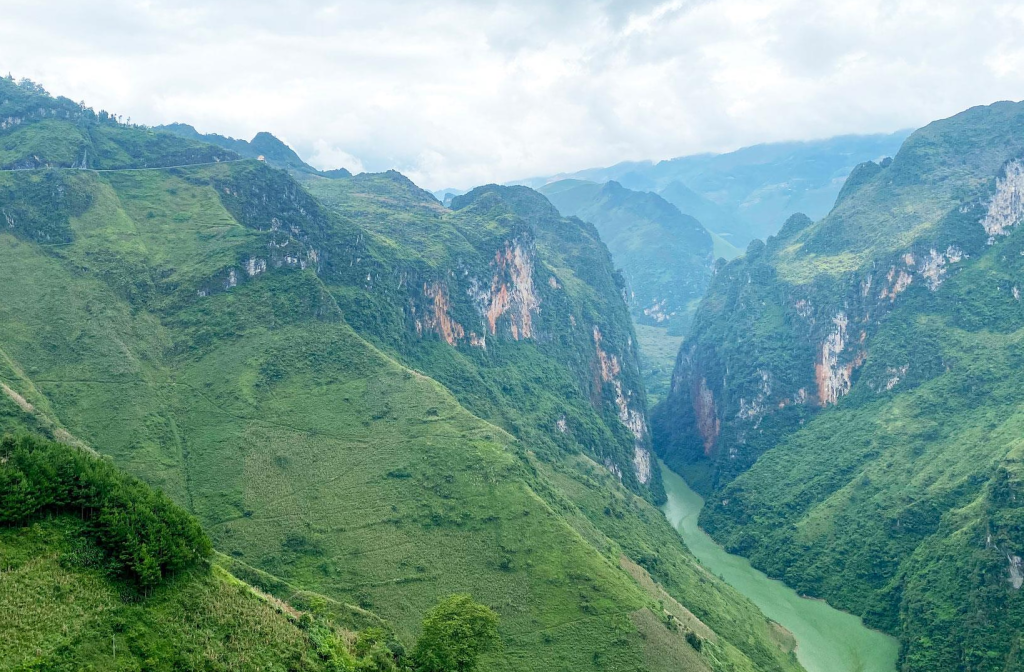
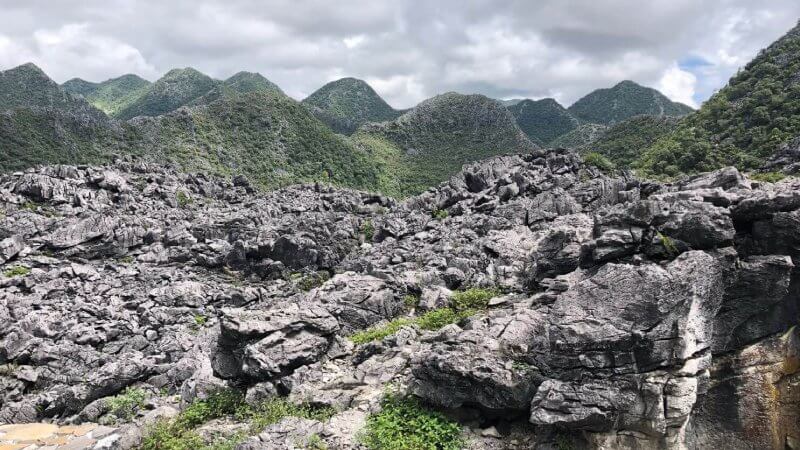
Dong Van Karst Plateau Geopark
A UNESCO Global Geopark of dramatic limestone formations and mountain scenery, ideal for hiking and photography.
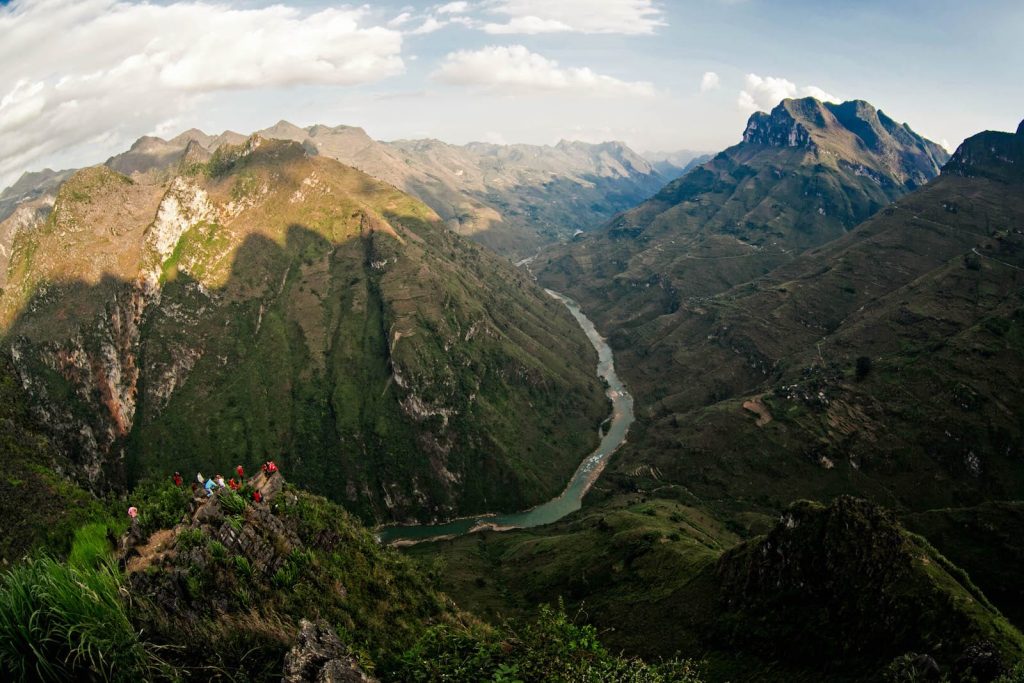
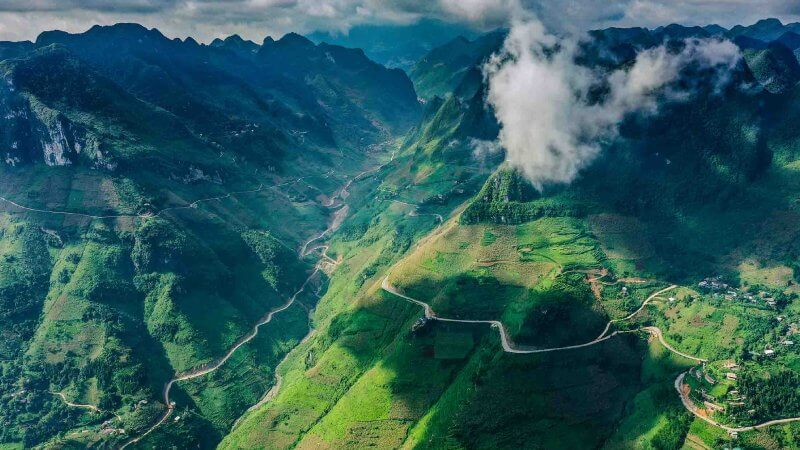
Ma Pi Leng Pass
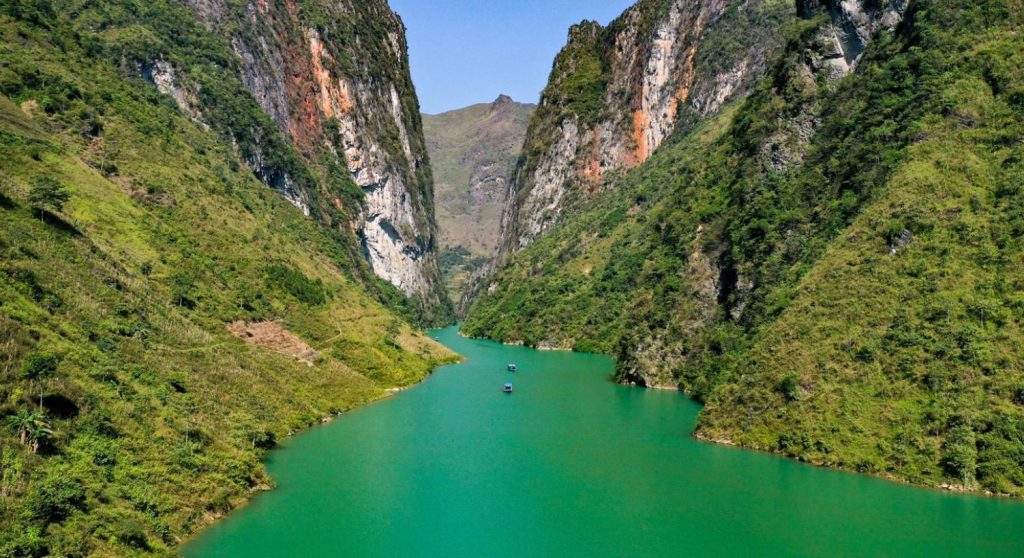
Often called the most beautiful mountain pass in Vietnam, with views of the Nho Que River and the valleys below. Read our Ma Pi Leng Pass guide.
Lung Cu Flag Tower
At the northernmost point of Vietnam, with panoramic views over the countryside and great symbolic importance for the country.

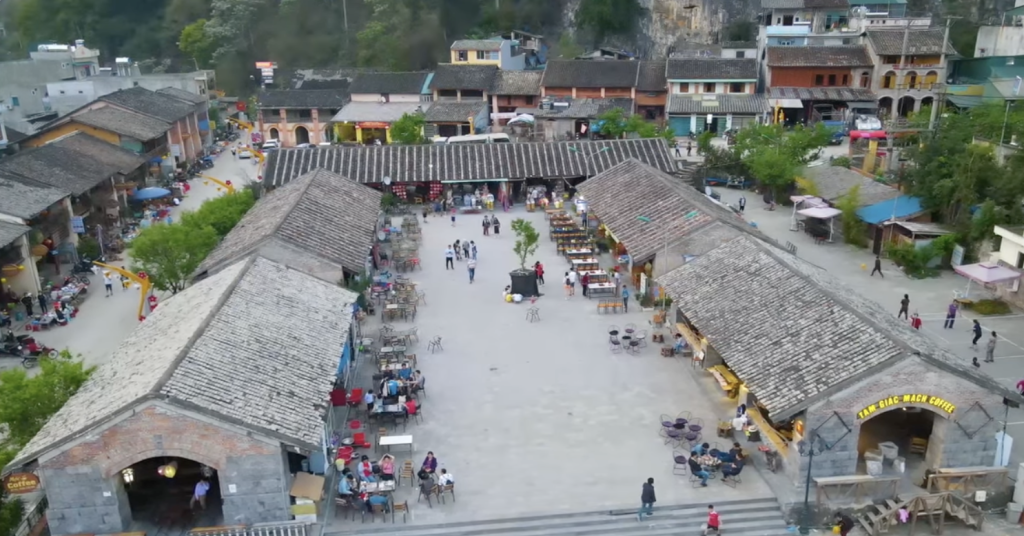
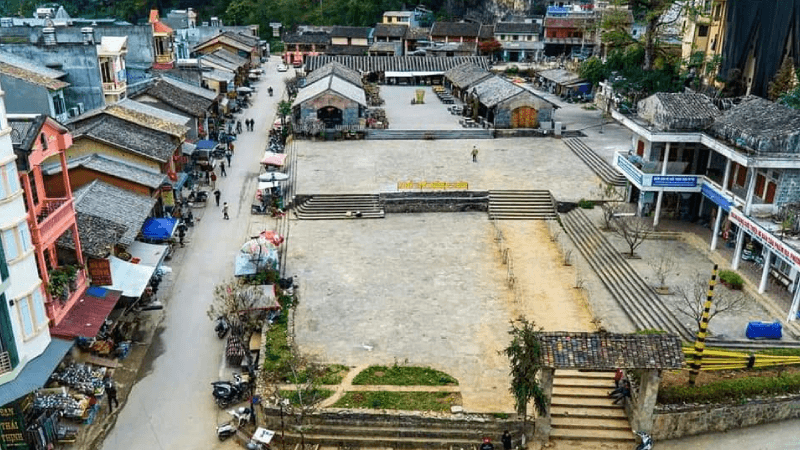
Dong Van Old Town
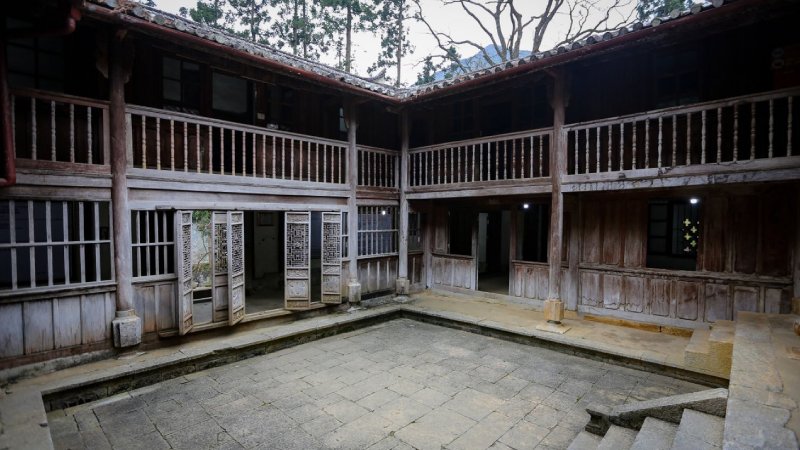
A historic town with traditional architecture and lively markets. See our Dong Van Ancient Town guide.
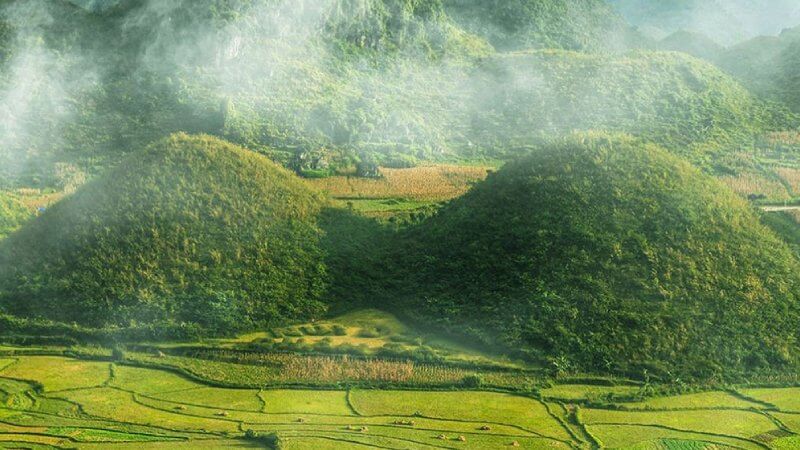
Quan Ba Twin Mountains and Heaven’s Gate
The iconic twin mountains of Quan Ba, seen from the Heaven’s Gate viewpoint, are one of the symbols of Ha Giang.
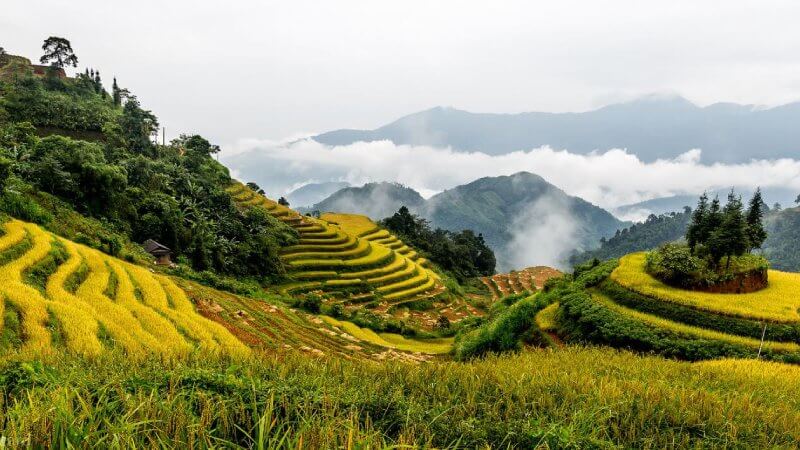
Hoang Su Phi rice terraces
Famous terraced rice fields, recognised as a national heritage site. Visit at harvest time for golden fields.
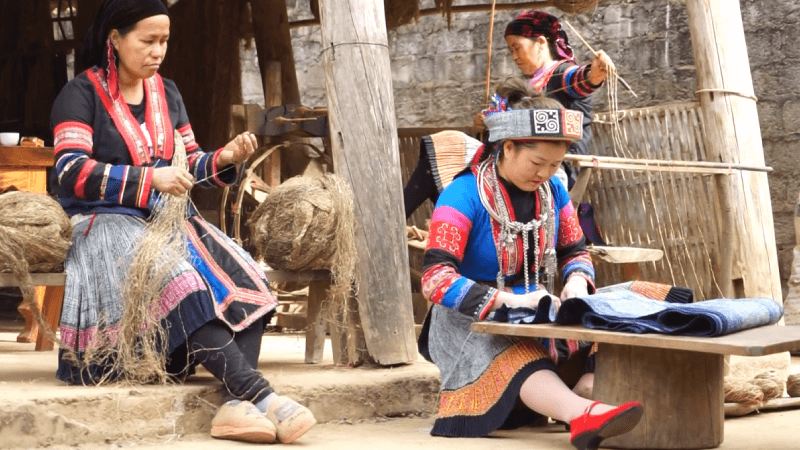
Lung Tam weaving village
Known for traditional Hmong textile weaving. A great place to see the craft and buy a meaningful souvenir.
Culture and food in Ha Giang
Ethnic diversity
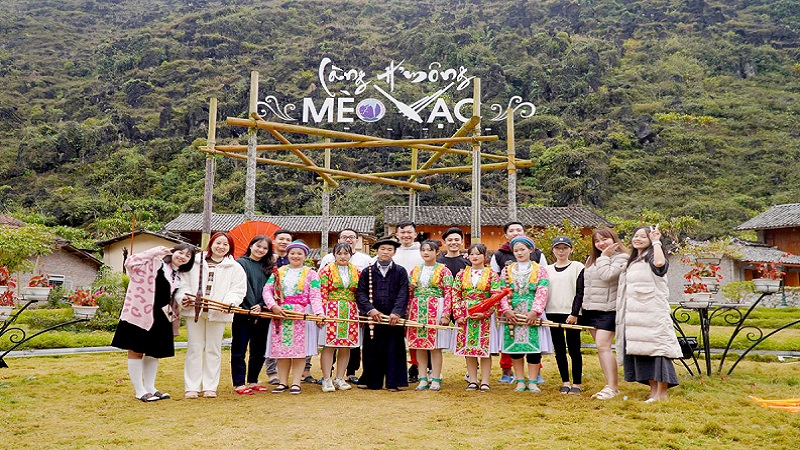
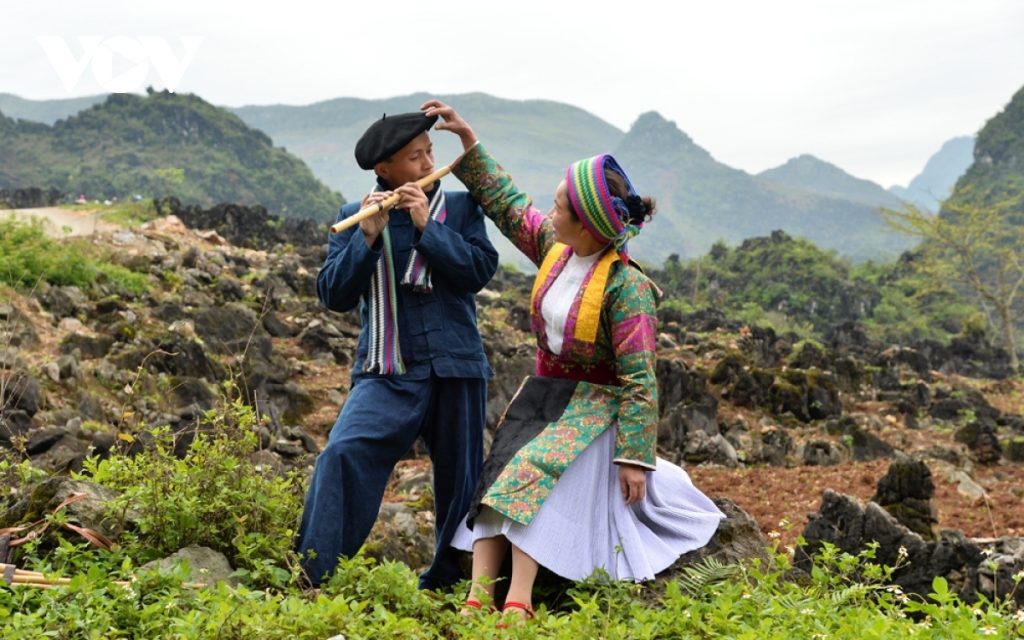
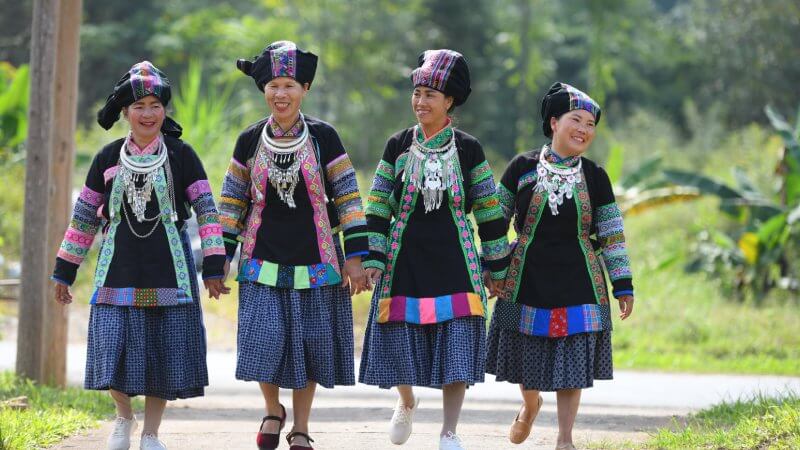
Ha Giang is home to many ethnic groups, including Hmong, Dao and Tay. Festivals like the Hmong New Year bring traditional music, dance and crafts.
Local food
Try thang co, a traditional Hmong stew, and pho chua, a sour noodle dish.
Crafts
Weaving, embroidery and silver jewellery, sold at markets like the Dong Van Sunday Market.
Things to do in Ha Giang
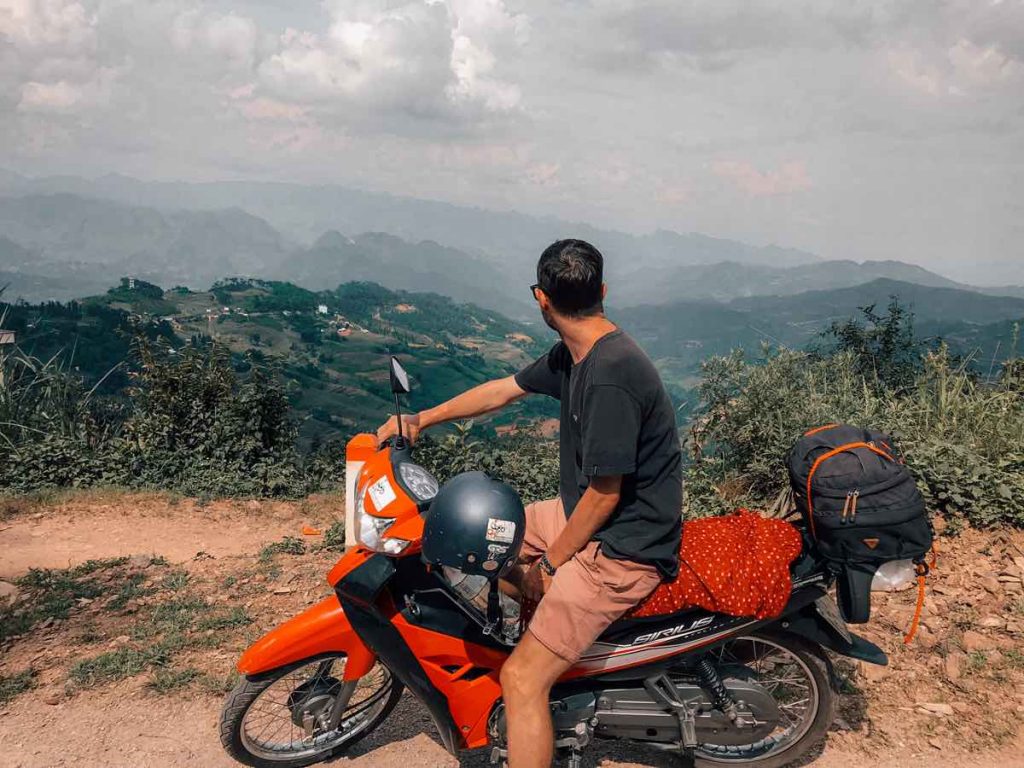
- Ride the Ha Giang Loop by motorbike or with an easy rider
- Trek through forests and mountain villages
- Stay in a local homestay
- Visit a Sunday market in Dong Van or Meo Vac
- Take a boat on the Nho Que River
- Photograph the rice terraces at harvest time
Best time to visit Ha Giang
October to December
Cool and dry, about 15–25°C, with clear skies. The best season.
January to March
Cold, around 10°C, with Tet (Lunar New Year) festivals.
April to June
Warmer, about 20–30°C. Green rice terraces in late May and early June.
July to September is the rainy season: hot and humid, and mud and landslides can disrupt travel.
How to get to Ha Giang
By bus
Direct buses from Hanoi take about 6–8 hours. Overnight sleeper buses are the most popular choice.
By car
About 300 km from Hanoi, 6–8 hours. A private car with driver is comfortable for groups.
On a tour
A guided tour from Hanoi includes transport, easy riders, guide and homestays.

Where to stay in Ha Giang
Ha Giang City has hotels, guesthouses and hostels for every budget. On the loop, most travellers sleep in local homestays in Yen Minh, Dong Van, Meo Vac or Du Gia, and Hoang Su Phi has eco-lodges near the rice terraces.
Frequently asked questions
Where is Ha Giang?
In the far north of Vietnam, on the border with China, about 300 km from Hanoi.
How many days do I need in Ha Giang?
3–4 days for the Ha Giang Loop, plus travel time from Hanoi.
What is the best time to visit Ha Giang?
October to December, when it is cool and dry.
How do I get to Ha Giang from Hanoi?
By sleeper bus (6–8 hours), private car, or on a guided tour.
What are the must-see places in Ha Giang?
Ma Pi Leng Pass, Dong Van Old Town, Lung Cu Flag Tower, Quan Ba Heaven’s Gate and the Nho Que River.
Explore Ha Giang with Zgo Travel
- Most popular · from $116Ha Giang Loop 3-Day small group
- More time · from $139Ha Giang Loop 4-Day small group
- Short on time · from $109Ha Giang Loop 2-Day small group
Discover Ha Giang with Zgo Travel
Tell us your travel date and number of travellers. We arrange the bus from Hanoi, easy riders, guide and homestays.